Scientific background of lactoferrin skin technology
Lacto Therapeutics skin technology is rooted in advancements in lactoferrin research. The skin-protective and anti-aging potential of lactoferrin has been explored through years of scientific investigation.
Lacto Therapeutics has studied lactoferrin as a biologically active, immunomodulatory ingredient, highlighting its potential to support skin revitalization. This research informed the development of cosmetic technologies designed to promote natural, biologically supported skin renewal.
With age, skin structure and function gradually weaken; however, the underlying capacity to support elasticity, hydration, and radiance remains. Lacto Therapeutics aims to support this regenerative potential to help maintain resilience, firmness, and moisture retention.
Lactoferrin as a bioactive skin-protective molecule
Lactoferrin is an immunity-supporting glycoprotein present in mammalian physiology, including humans. It is naturally found in colostrum, amniotic fluid, tears, and mucosal secretions, where it contributes to protective functions against environmental stressors.
Notably abundant in first milk (colostrum), lactoferrin supports newborns with underdeveloped immune systems. Despite its biological importance, lactoferrin is a rare component—often described at approximately 0.2 g per liter of milk.
Its presence in amniotic fluid highlights a nurturing role even before birth. As skin ages, lactoferrin-based approaches are described as supporting barrier integrity and hydration.
Structural balance: collagen, elastin, and skin elasticity
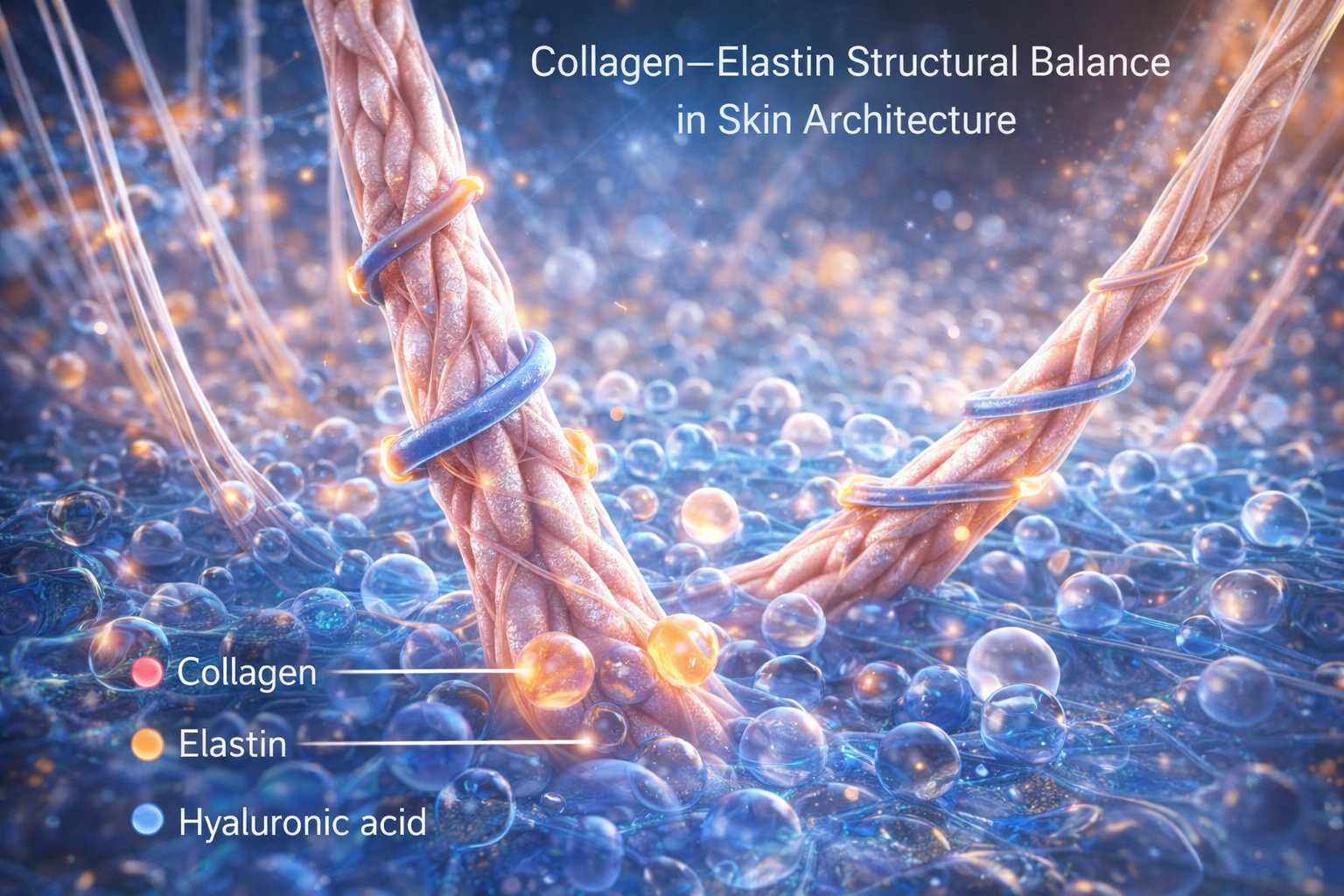
Collagen contributes to skin firmness, but collagen alone is not sufficient to maintain optimal elasticity. Without adequate elastin support, collagen fibers cannot effectively sustain resilience and “bounce”.
Elastin complements collagen by tightening and stabilizing dermal fibers, enabling the skin to preserve elastic properties. For collagen-driven skin improvement, elastin functions as an essential structural component in this biological balance.
Formulation purity and ingredient safety
Formulated with an emphasis on skin compatibility, Lacto Therapeutics formulations are designed to exclude common additives that may cause irritation. These formulations contain no synthetic colorants, artificial fragrances, parabens, alcohol, or petroleum-based surfactants.
The technology leverages plant-derived components (including yeast-derived materials) and essential oils to support gentle and effective skincare options—particularly relevant for sensitive skin routines.
Encapsulation and enhanced skin penetration
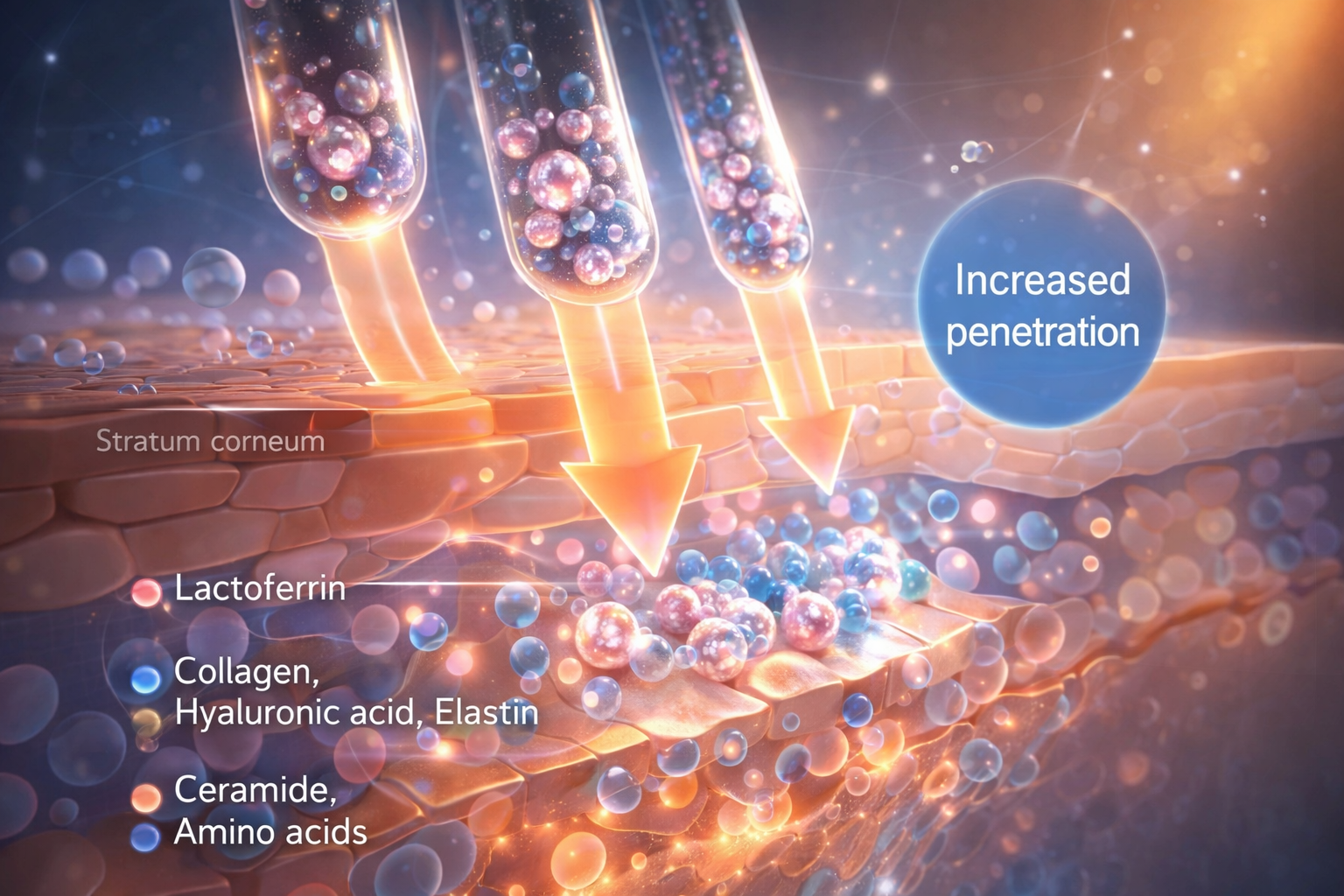
Through experimentation and verification, a concentrated lactoferrin formulation can be designed while addressing challenges such as heat sensitivity and degradation. Preserving biological activity is a key formulation objective.
Encapsulation approaches are described as improving delivery of lactoferrin together with complementary cosmetic ingredients—supporting hydration, elasticity, and radiance.
Wrinkle appearance and fibroblast activity
Fibroblasts contribute to dermal components such as collagen, elastin, and hyaluronic acid. Ultraviolet exposure and cellular stress can impair fibroblast function—leading to altered collagen/elastin structure, reduced moisture retention, and visible wrinkle formation.
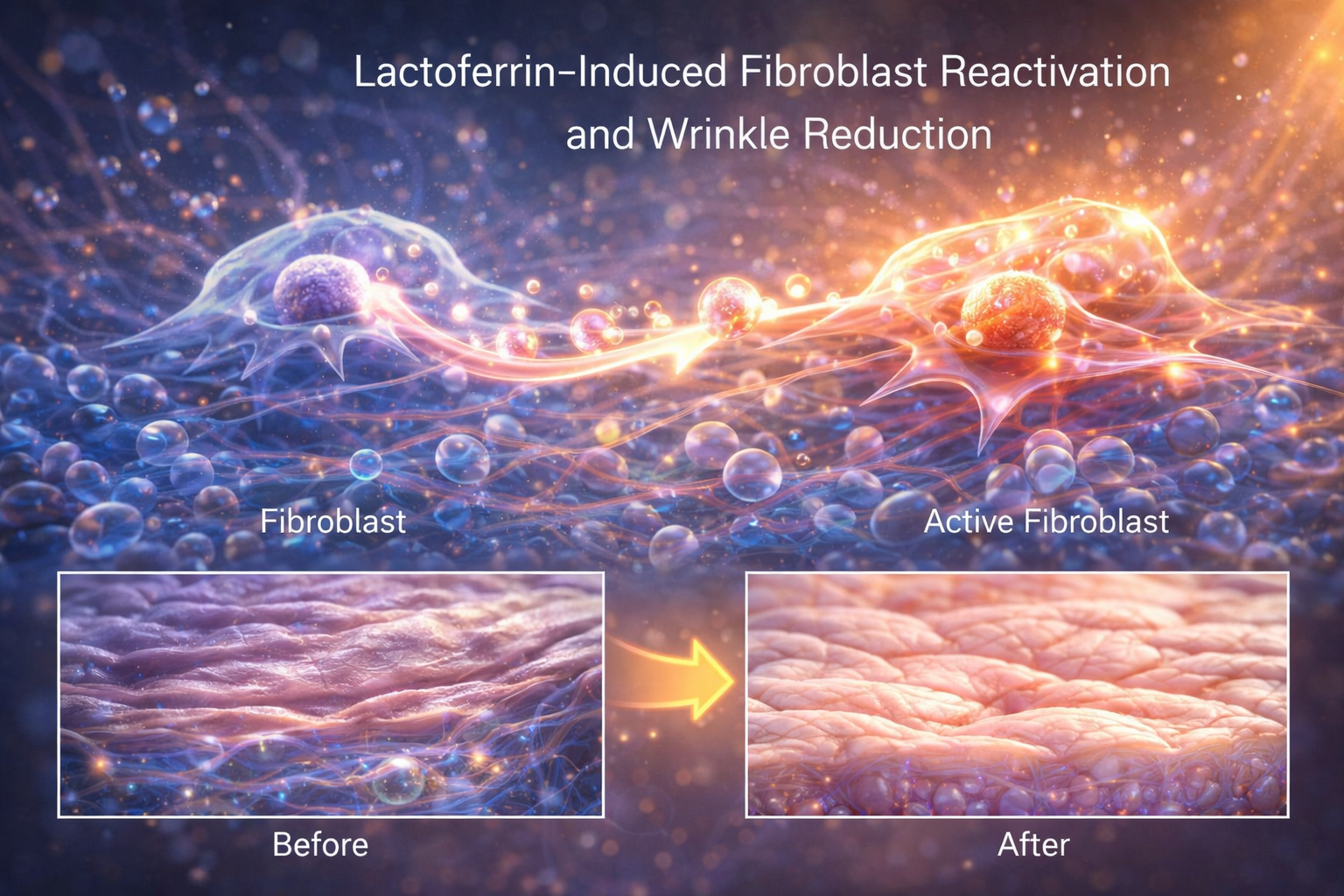
In one reported study design, twice-daily application of a gel containing 0.5% lactoferrin for one month was associated with improved moisture and an average reduction in wrinkle appearance (reported around 40%).
Melanogenesis regulation and skin tone uniformity
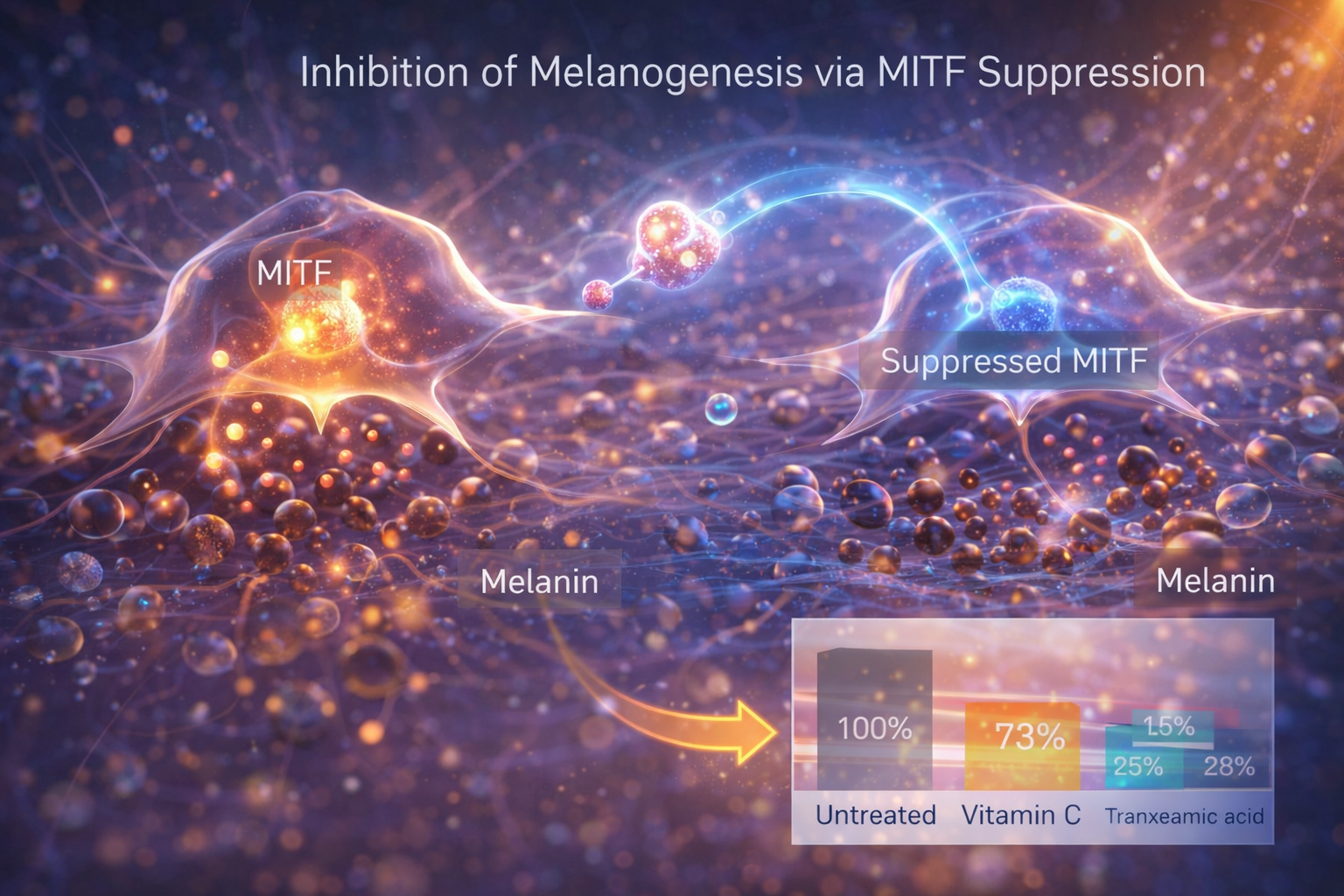
Lactoferrin has been described as suppressing melanin production by inhibiting MITF, a transcription factor that regulates melanogenesis. In experimental models, a 0.5% lactoferrin concentration was reported to show melanogenesis inhibition comparable to 2% tranexamic acid.
Skin barrier reinforcement and anti-inflammatory effects
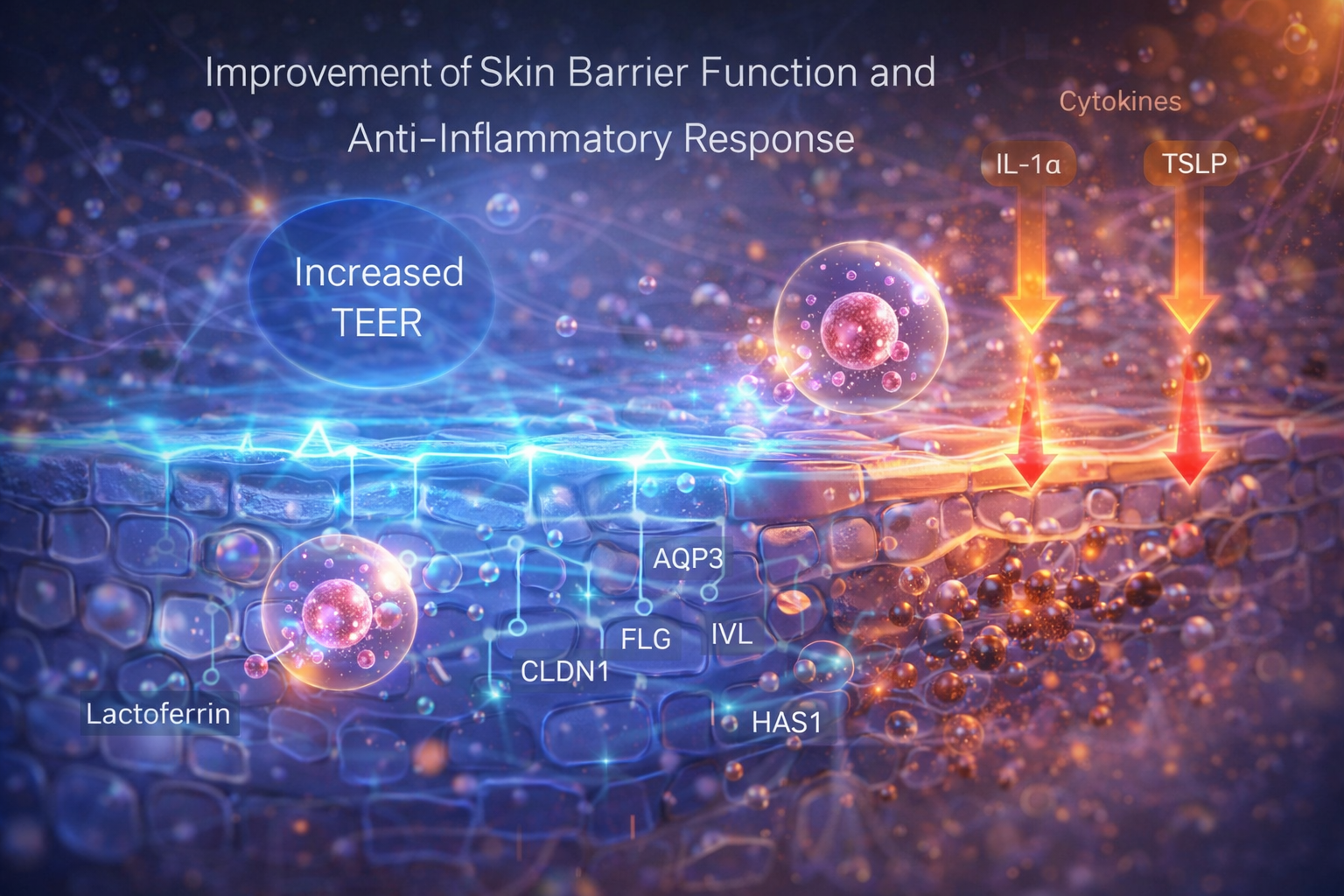
Using a recombinant human epidermal model, lactoferrin was reported to enhance transepidermal electrical resistance (TEER) and inhibit inflammatory cytokines including IL-1α and TSLP.
Gene expression analysis described increased levels of AQP3, FLG, IVL, CLDN1, and HAS1, while immunofluorescence staining reported enhanced protein expression associated with barrier function and hydration. Barrier improvement was described at concentrations above 1.5 mg/mL, alongside moisturizing and anti-inflammatory effects.
Reference: Cosmetics 2024, 11(3), 98 · DOI: 10.3390/cosmetics11030098